16 March 2026 - Closing The Loop In High-Temperature Industry With Trent Refractories & Global Recycling Day 2026
On 18 March 2026, Global Recycling Day highlights the importance of viewing waste as a valuable resource. In heavy industry, that principle extends far beyond household recycling, it reaches into the heart of furnaces operating at extreme temperatures, where refractory materials protect critical processes in steel, cement, glass and energy production.
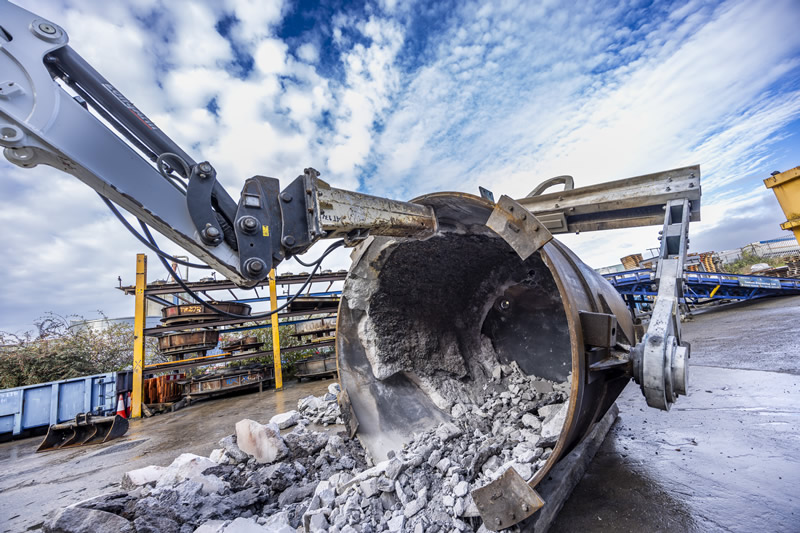
On 18 March 2026, Global Recycling Day highlights the importance of viewing waste as a valuable resource. In heavy industry, that principle extends far beyond household recycling, it reaches into the heart of furnaces operating at extreme temperatures, where refractory materials protect critical processes in steel, cement, glass and energy production.
Refractories are designed to withstand intense heat, chemical attack and mechanical stress. Traditionally, once a lining reached the end of its service life, the removed material was treated largely as waste. However, circular approaches are changing that model. Through careful segregation, testing and processing, spent refractory materials can be recovered, reconditioned and reintroduced into the supply chain, which reduces reliance on virgin raw materials and lowers environmental impact.
Circular refractory practices involve detailed assessment. Materials must be analysed to determine residual performance, contamination levels and suitability for reuse. Aggregates may be crushed and graded for incorporation into new products, while certain high-quality components can be directly repurposed where specifications allow. This process blends engineering expertise with environmental responsibility.
For industries facing increasing pressure to reduce carbon emissions and resource consumption, circular refractories offer tangible benefits. Extending material lifecycles reduces landfill volumes, cuts extraction of natural minerals, and lowers the embodied carbon associated with manufacturing new refractory products. It also supports clients’ sustainability targets by embedding circular principles into maintenance and shutdown planning.
Global Recycling Day provides a moment to recognise that recycling is not limited to consumer goods, it is equally critical to the industrial backbone of the economy. By rethinking how refractory materials are managed at end-of-life, companies can move from a linear “use and dispose” model toward a regenerative system where materials retain value for longer.
On 18 March 2026, the story of recycling includes the unseen layers inside industrial furnaces, demonstrating that even in the most extreme environments, circular thinking can help build a more resource-efficient and sustainable future.
At Trent Refractories, we are particularly strong in utilising byproducts. Over 35 years, we pioneered a locally produced product range and now work with an export customer to integrate these products, significantly reducing their waste.
#TrentRefractories #Refractories #Monolithics #Precast #Bricks
Other Articles
14 September 2026
Trent Refractories At ICR 2026 Conference & Trade Fair
01 September 2026
Flexible Ladle Gunning Manipulator Solutions To Boost Refractory Repairs in Steel Plants
24 August 2026
Trent Refractories Supports Package Incinerator & Small-Scale Boiler Markets
17 August 2026
Large Bespoke Refractory Castings Built On Decades Of Expertise
10 August 2026
Precast Collector Nozzles Made In The UK & Built for Reliability
04 August 2026
Celebrating Our Continued Commitment To The UK Steel Charter
20 July 2026
Trent Refractories Is The Official UK Distributor For Cofermin Chemicals
13 July 2026
Getting Answers Not Assumptions With Forensic Failure Analysis
09 July 2026
Trent Refractories Celebrates 11 Years As A Living Wage Employer
01 July 2026