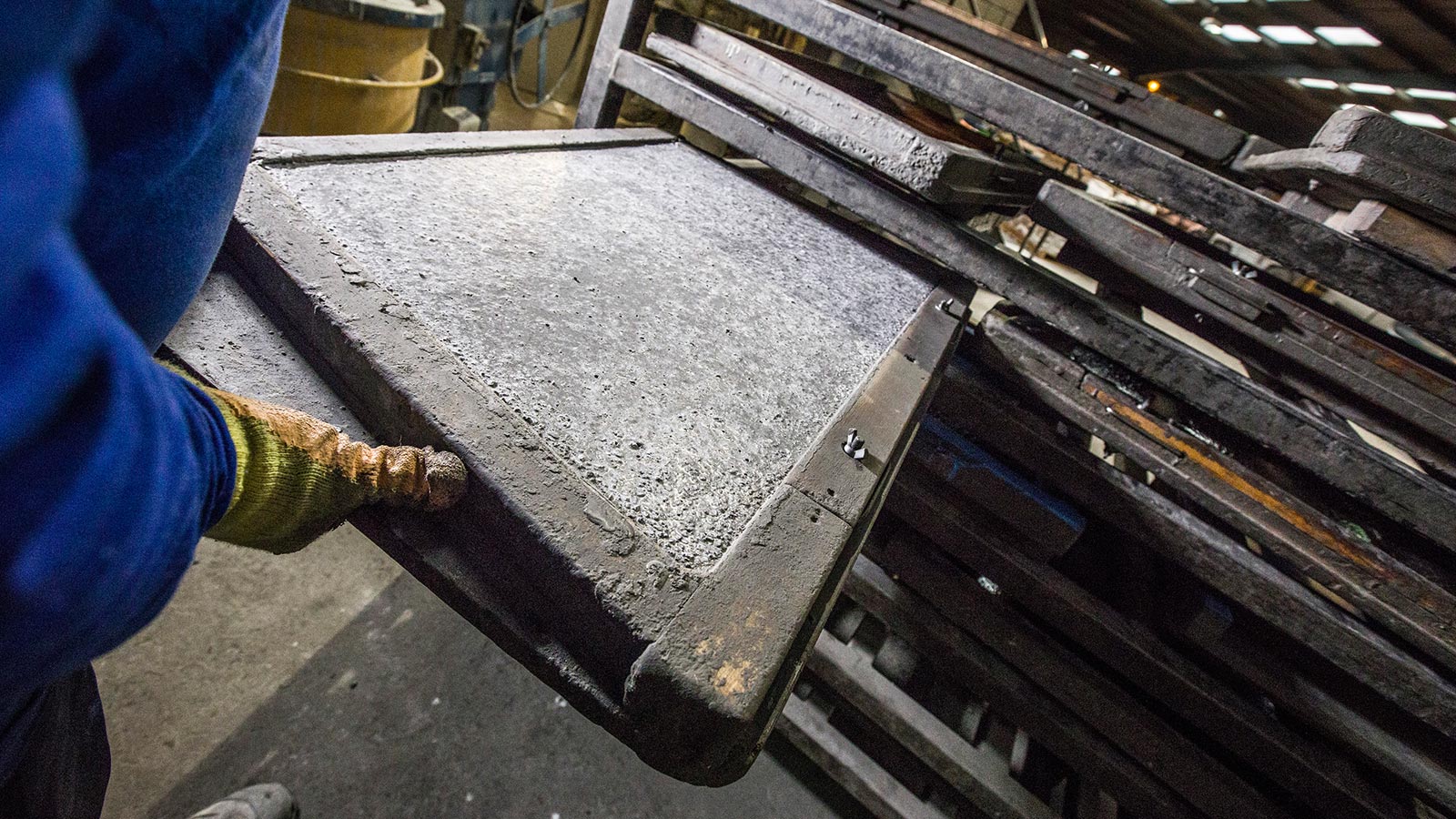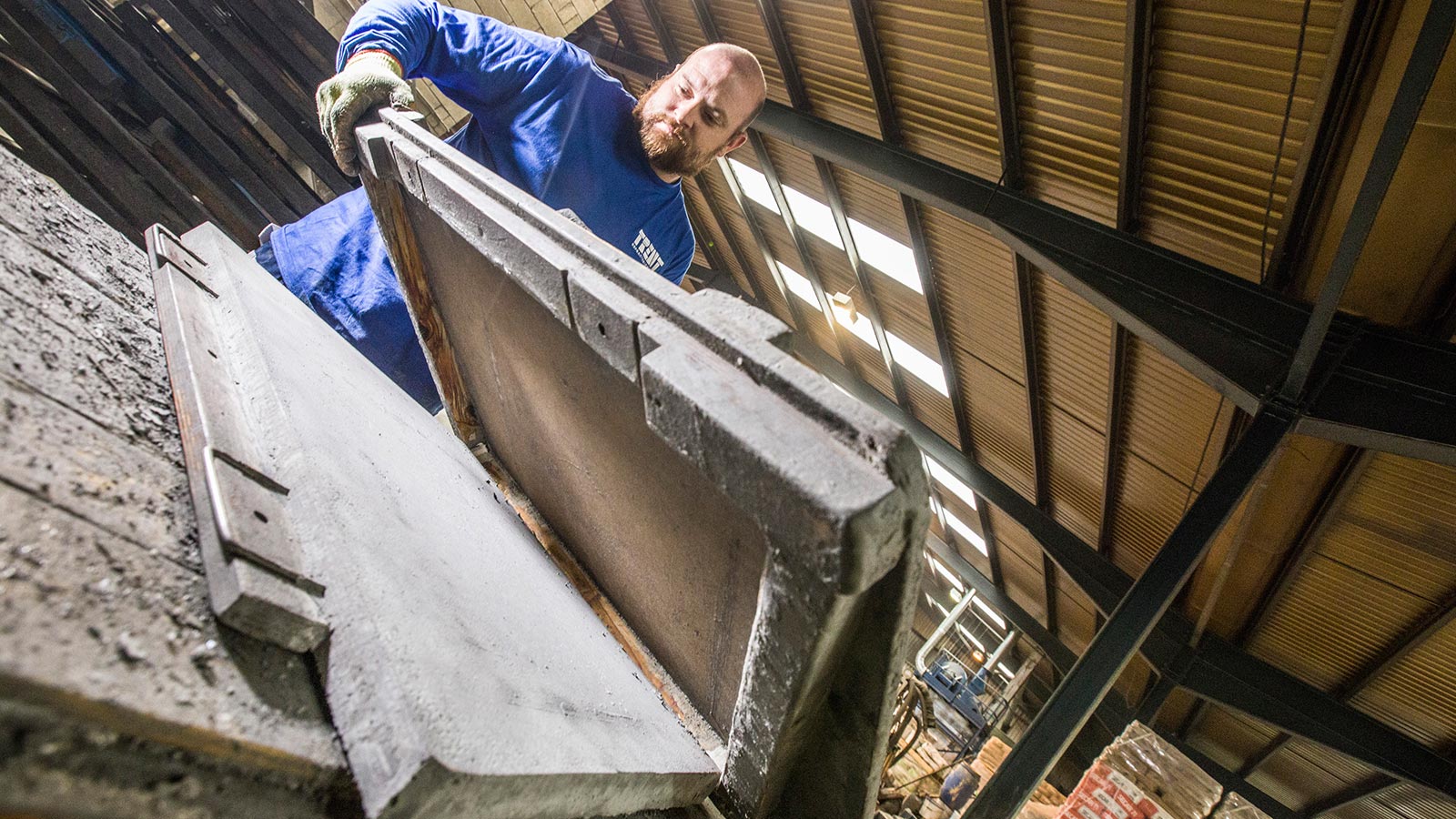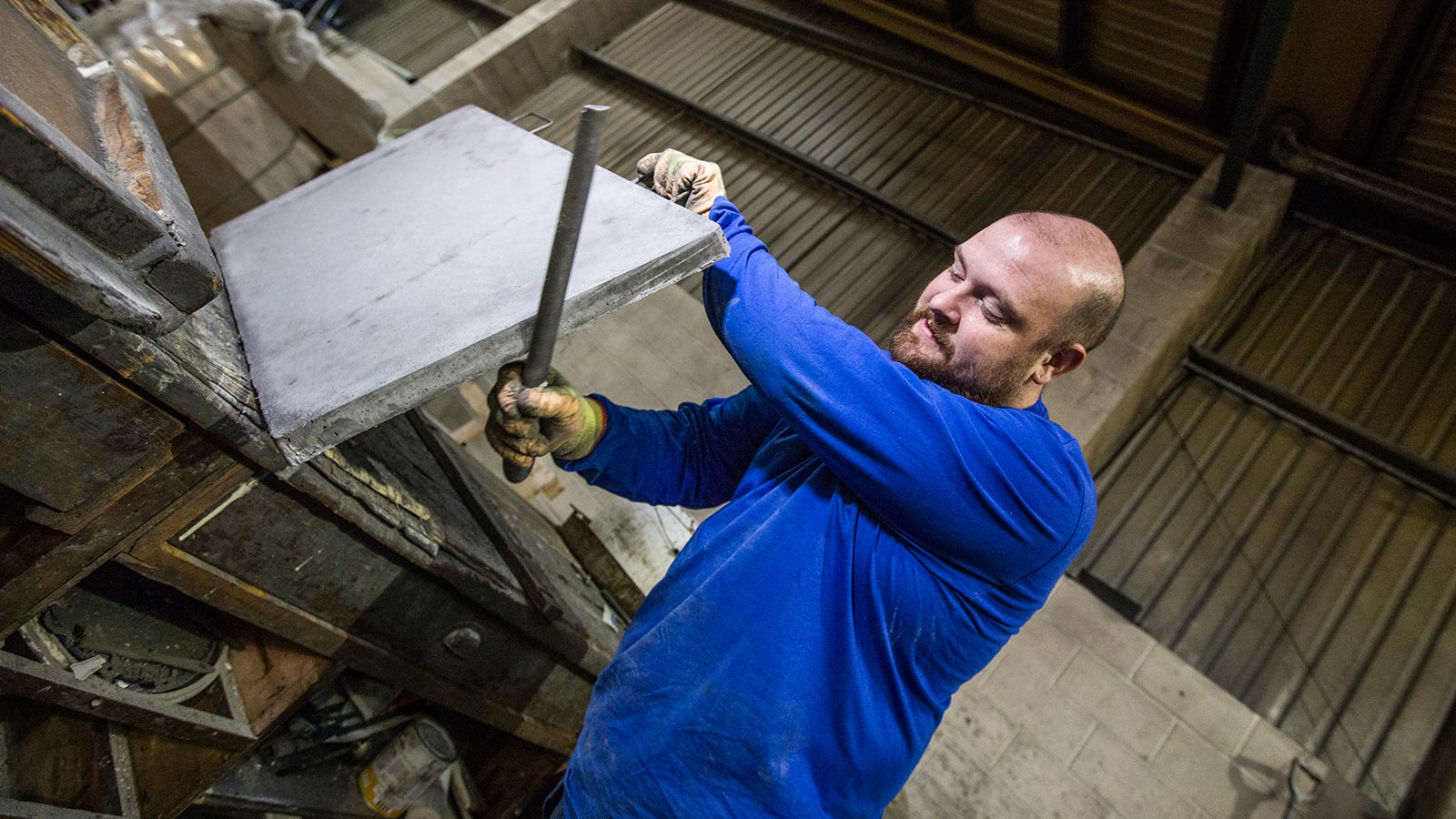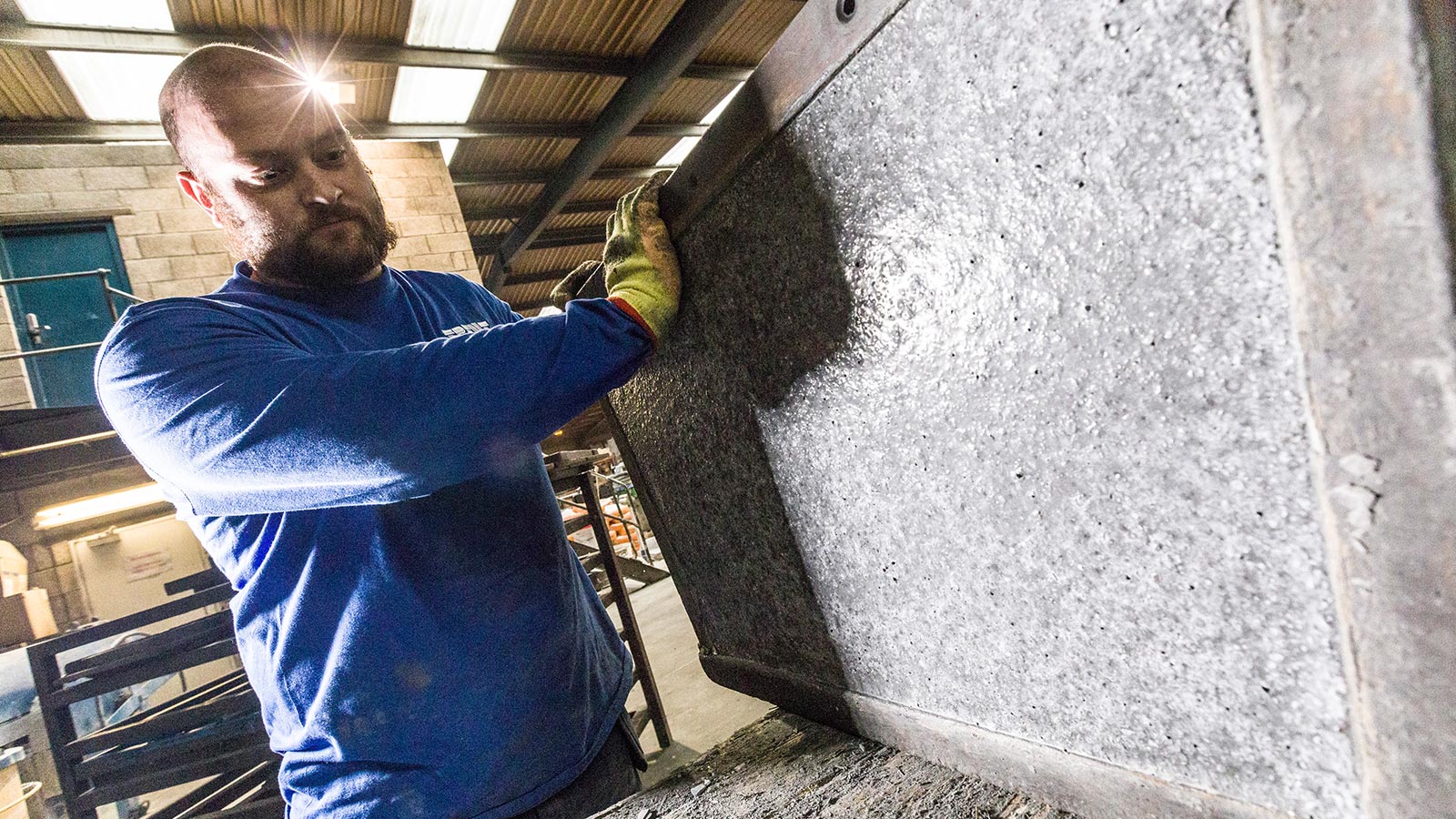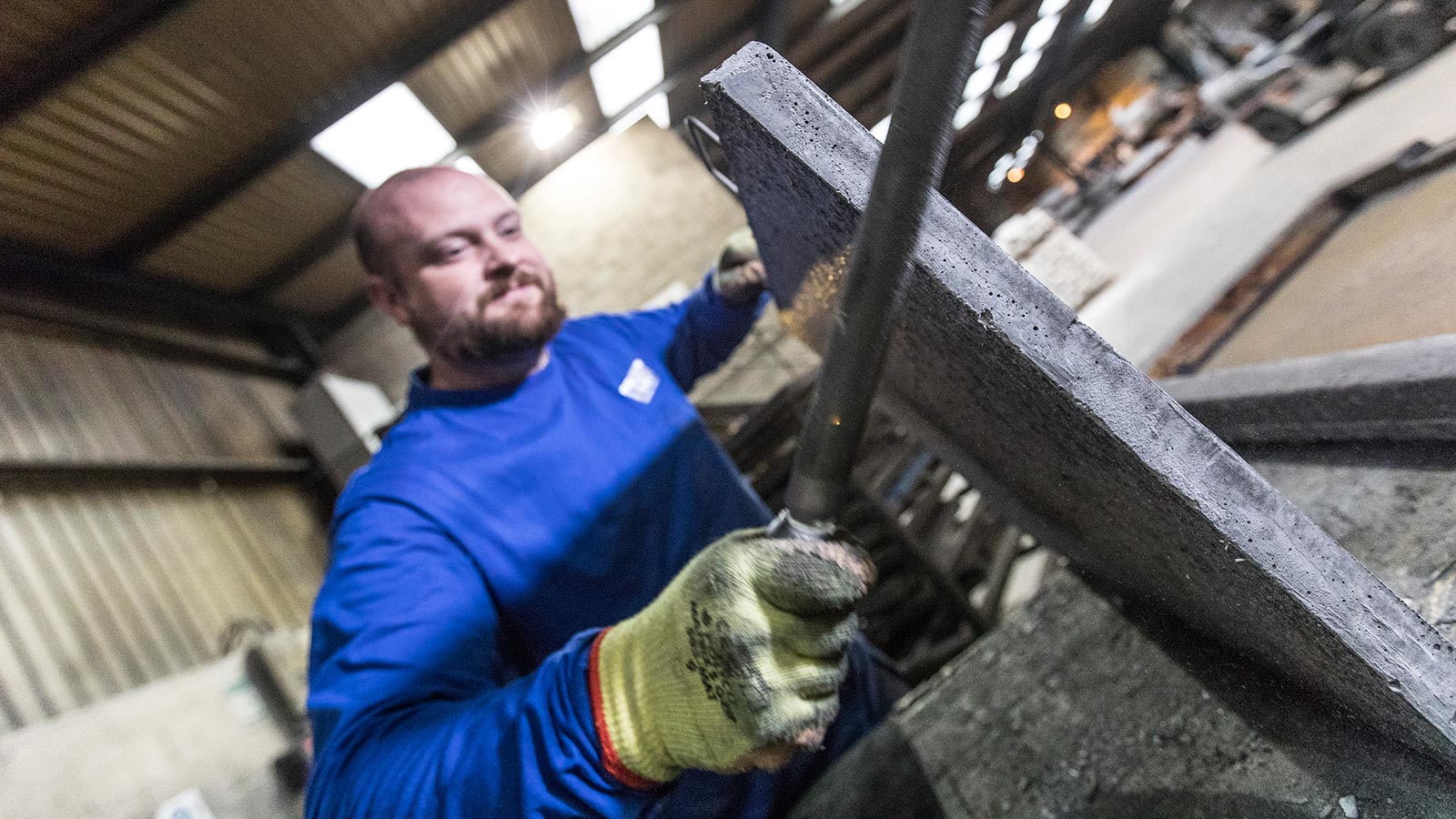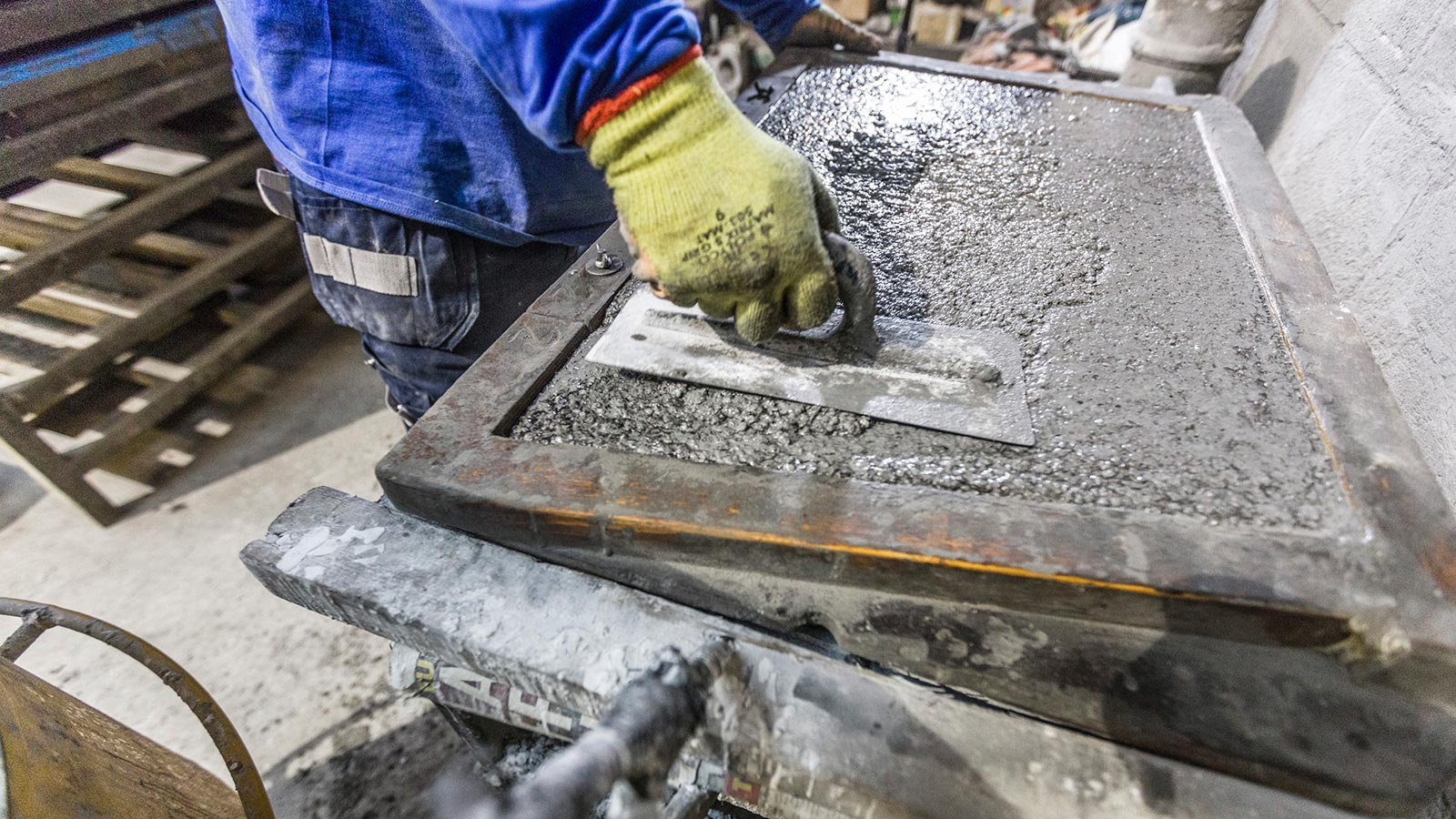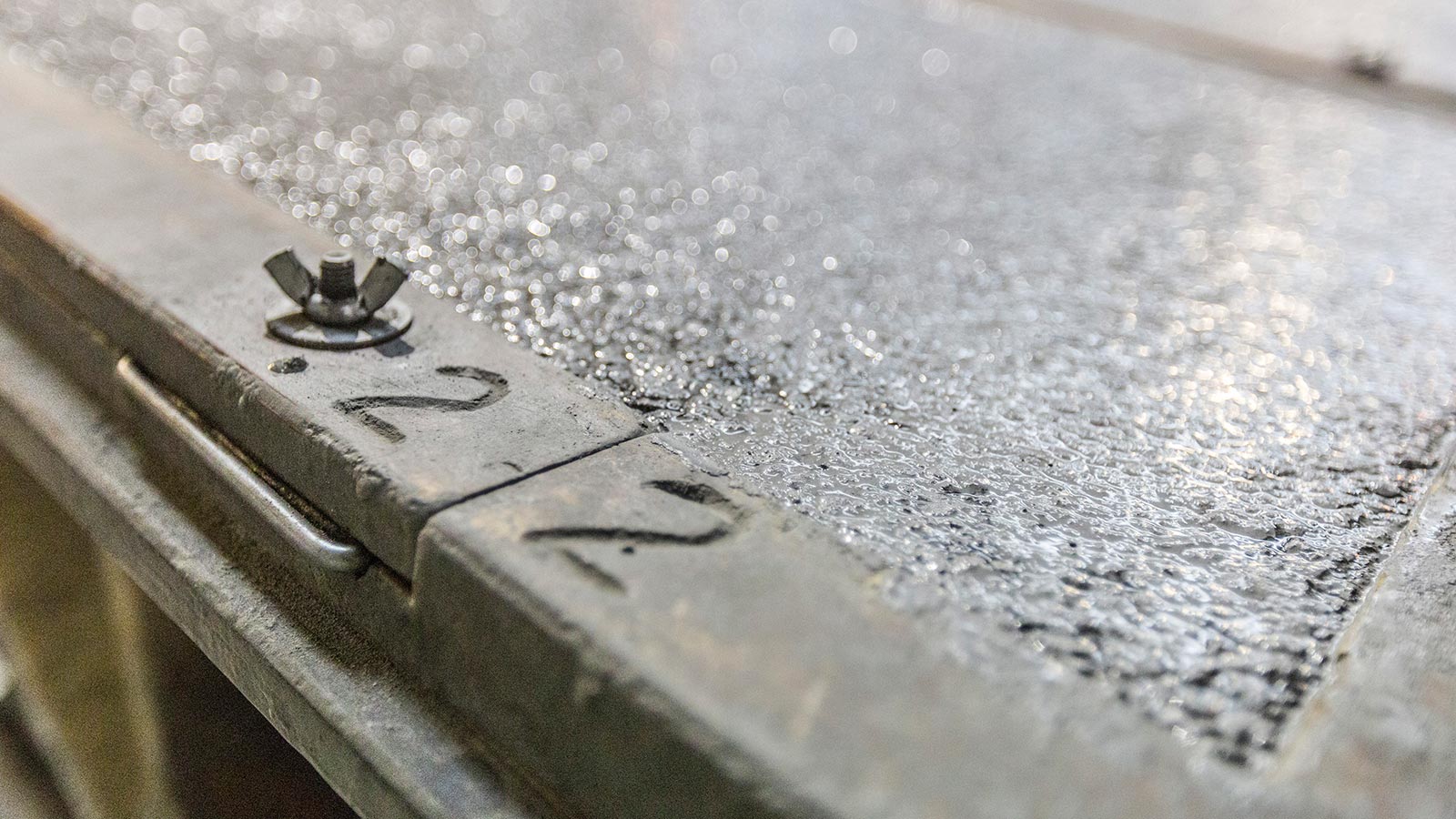
Dams and weirs play a crucial role in the tundish by regulating the flow of molten metal, ensuring a smooth and controlled transfer from the ladle to the mold. These refractory structures can be strategically cast as part of the tundish furniture arrangement to optimise the metallurgical process.
Key Benefits
- Benefit 1
- Benefit 2
Dams are raised barriers that help in directing and controlling the velocity of molten metal, reducing turbulence and preventing undesirable splashing. By slowing down the metal flow, they allow non-metallic inclusions to float to the surface, improving overall metal purity. Additionally, they can be designed to create flow separation zones, which enhance thermal and chemical homogenization before the metal exits through the tundish nozzle.
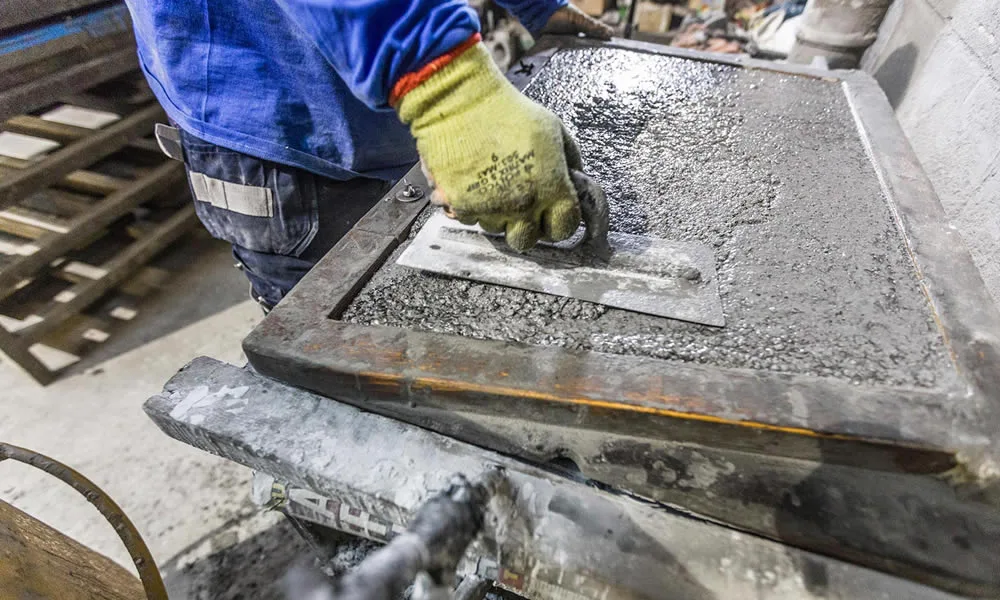
Weirs, on the other hand, function as overflow barriers that force molten metal to follow a controlled path. By guiding the metal flow, they help in minimising direct contact with the tundish bottom, reducing erosion and extending the service life of the tundish lining. Weirs also promote the removal of impurities by allowing lighter inclusions to rise and be trapped before the metal moves further downstream. Together, dams and weirs contribute to a more stable and efficient casting process, enhancing metal cleanliness, reducing defects, and improving overall yield in continuous casting operations.